
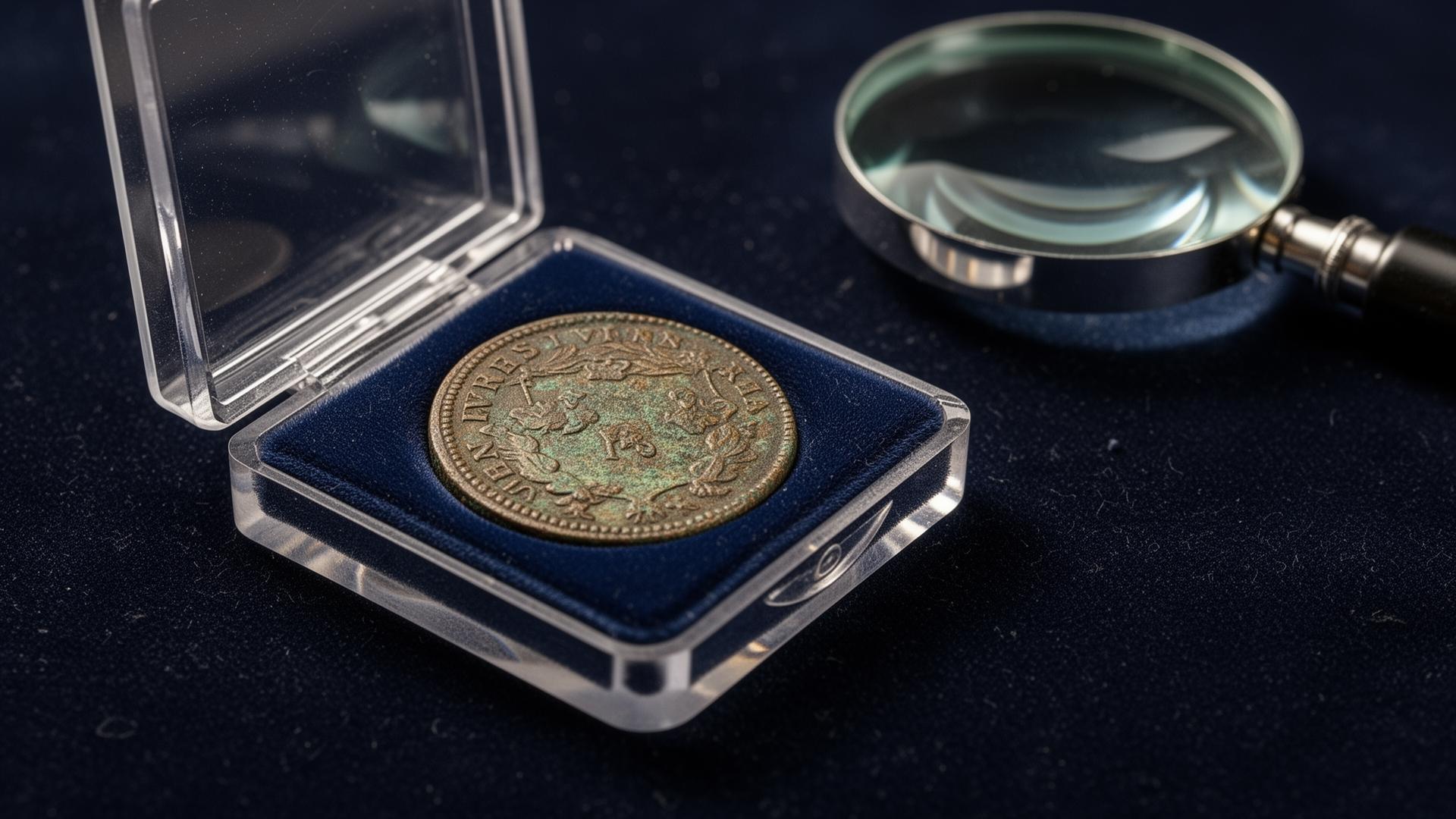
Wheat Penny Values
Key dates, mint marks, and condition grades for every Lincoln Wheat Penny from 1909 to 1958.
The Lincoln Wheat Penny was produced from 1909 to 1958 and is the most collected American coin series. Over 27 billion were minted across three facilities. Most are worth between 3 and 15 cents. A handful are worth hundreds or thousands. Knowing your date, mint mark, and condition tells you which category yours fall into.
Quick Value Summary
Here is where most wheat pennies land:
- Common dates (1940s–1950s), circulated: $0.03 to $0.15
- Better dates (1920s–1930s), circulated: $0.25 to $5.00
- Semi-key dates, circulated: $10 to $100+
- Key dates (1909-S VDB, 1914-D, 1931-S), circulated: $100 to $50,000+
- Any date, uncirculated with full luster: $5 to $500+ depending on date
The date alone does not determine value. The mint mark and condition matter just as much. A 1944 penny is worth 3 cents. A 1944-D/S over-mintmark variety is worth $100+.
Key Dates: The Wheat Pennies Worth Real Money
Circ. = circulated (worn). Unc. = uncirculated (no wear, original luster). Values are approximate ranges.
Semi-Key Dates Worth Checking
Common Dates: What the Average Wheat Penny Is Worth
If your wheat penny is from the 1940s or 1950s and circulated, it's worth between 3 and 15 cents. That's not nothing. It's 3 to 15 times face value. But it's not retirement money either.
Common dates include all Philadelphia (no mint mark) and Denver (D) issues from 1934 to 1958, excluding the 1943 steel cents and the 1955 doubled die. San Francisco (S) mint marks from this era are slightly scarcer and may bring a small premium.
If you have a jar of wheat pennies, the quickest way to evaluate them is to pull out anything dated before 1934, anything with an S mint mark, and anything that looks unusual (steel color, visible doubling, or errors). Everything else is worth sorting into rolls or selling in bulk.
How to Find the Mint Mark
On Lincoln Wheat Pennies, the mint mark sits below the date on the obverse (front) of the coin. Look for:
- No letter: Philadelphia. This is the most common mint for most years.
- D: Denver.
- S: San Francisco. S-mint wheat pennies are generally scarcer than Philadelphia or Denver issues.
Mint marks on wheat pennies are small. Use a magnifying glass or good lighting. The mark's presence or absence can mean the difference between a 5-cent coin and a $500 coin for the same date.
The 1943 Steel Penny
Full dedicated guide to the 1943 steel penny →
In 1943, the US Mint switched from copper to zinc-coated steel to conserve copper for the war. These steel pennies are silver-colored and stick to a magnet. Most are worth $0.10 to $0.50 in circulated condition. Uncirculated examples bring $2 to $10.
The real money is in the 1943 copper penny, a transitional error. A few pennies were accidentally struck on leftover copper planchets. Authenticated examples have sold for over $100,000. If your 1943 penny does NOT stick to a magnet, get it authenticated immediately.
The 1955 Doubled Die
The 1955 Doubled Die Obverse (DDO) is one of the most famous US coin errors. The doubling is visible to the naked eye on "LIBERTY" and "IN GOD WE TRUST." Circulated examples sell for $1,000 to $2,000. Uncirculated examples bring $2,000 to $5,000+.
Counterfeits of the 1955 DDO are common. If you think you have one, compare it to authenticated images online. The doubling should be crisp and consistent across all the obverse lettering. Machine doubling (a different, less valuable type of doubling) looks flat and shelf-like.
1909 VDB vs. 1909-S VDB
In 1909, the new Lincoln cent debuted with designer Victor David Brenner's initials "VDB" on the reverse. Public backlash led to the initials being removed after a short run. This created two varieties:
1909 VDB (Philadelphia): 27.9 million minted. Worth $8 to $15 circulated, $15 to $30 uncirculated. Common enough to be affordable but still a collector favorite as the first-year design.
1909-S VDB (San Francisco): Only 484,000 minted. Worth $800 to $2,000 circulated, $1,500 to $3,000+ uncirculated. This is the single most famous wheat penny and the coin that launched countless collections.
Condition Matters More Than You Think
A common-date wheat penny in average circulated condition is worth a few cents. The same coin in pristine uncirculated condition with bright, original copper luster can be worth $10 to $50 or more. For scarce dates, the jump is even bigger.
Key condition factors:
- Wear on Lincoln's cheekbone and jawline. These are the highest points and show wear first. If the cheek is flat and smooth, the coin has seen heavy circulation.
- Wheat stalk detail on the reverse. On a well-preserved coin, individual lines in the wheat stalks are sharp and separated. On a worn coin, they merge together.
- Color. Original red (RD) uncirculated pennies are worth the most. Red-brown (RB) is next. Brown (BN) is least valuable for uncirculated coins. Never clean a wheat penny. Cleaning destroys the original surface and drops the value below what a naturally worn coin brings.
Selling Wheat Pennies
If you have a handful of common-date wheat pennies, they're worth a few cents each. Not worth a special trip. But if you have rolls, bags, or collections with a mix of dates, a professional evaluation can uncover coins worth significantly more than you'd expect.
We buy wheat pennies in every condition and quantity. Bring in your jar, your rolls, or your grandfather's collection. We'll sort through them, identify anything valuable, and give you a fair offer on the spot.
Get a Free Quote on Your Wheat Pennies
Not sure what your coins are worth? US Gold and Coin evaluates wheat pennies for free. No appointment needed. No obligation to sell.
Visit us in Dallas, Austin, Tampa, Fort Worth, Waco, Kansas City, Overland Park, Lawrence, or Honolulu. We also accept mail-in submissions with insured shipping.
Ready to Find Out What Your Wheat Pennies Are Worth?
Get a free, no-obligation appraisal from our expert team.
Continue Your Research
Full guide to all Lincoln penny values including Memorial cents.
1943 Steel Penny ValueEverything about the WWII steel penny and the rare copper error.
Coin Grading GuideHow condition affects value and when professional grading pays off.
Gold Coin ValuesValues for American Gold Eagles, Saint-Gaudens, and pre-1933 US gold.