
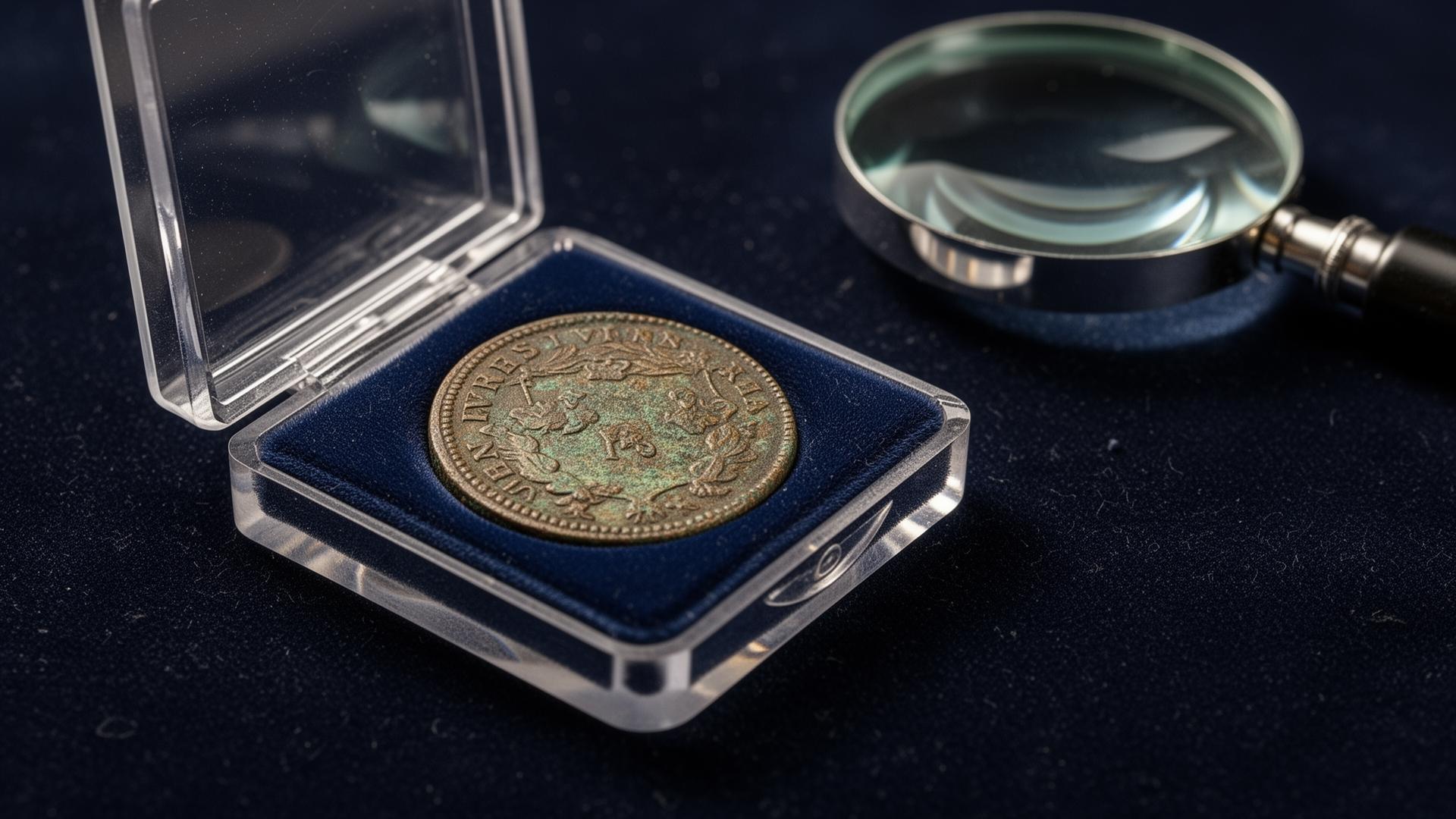
What to Do with an Inherited Coin Collection
A practical guide for anyone who just inherited coins, gold, or silver and isn't sure where to start.
Inheriting a coin collection can be overwhelming, especially when you don't know much about coins. Maybe your parent or grandparent collected for decades and you've been handed boxes of coins, albums, rolls, and loose pieces you can't identify. Maybe you found gold coins in a safe deposit box and have no idea what they're worth.
Take a breath. There's no rush. The coins aren't going anywhere, and the worst mistakes happen when people act too quickly. This guide walks you through exactly what to do — and what not to do — so you can make smart decisions about the collection you've inherited. If you need help at any point, US Gold & Coin offers free, no-obligation appraisals on any coin collection.
Don't Clean the Coins
Critical: Do Not Clean Your Coins
Cleaned coins lose 50% to 90% of their collector value. This is the single most common — and most costly — mistake people make with inherited collections.
This is the single most important piece of advice in this entire guide. Do not clean your coins. Do not polish them. Do not wipe them with a cloth. Do not run them under water. Do not use any chemical, solution, paste, or household cleaner on them.
Cleaned coins lose 50% to 90% of their collector value. A coin with 200 years of natural patina (called "toning" by collectors) is worth far more than a shiny coin that's been scrubbed. Professional grading services like PCGS and NGC will mark a cleaned coin as "details" grade, which destroys its premium.
If the coins look dirty, tarnished, or dull — leave them that way. That's exactly how a buyer wants to see them.
Do a Rough Sort
You don't need to identify every coin. Just separate the collection into broad categories so you can get a sense of what you're working with.
Gold coins and bars
Anything that looks gold, feels heavy for its size, or is stored separately in holders, tubes, or cases. Gold items are almost always the most valuable part of any collection. Even a single gold coin can be worth several hundred to several thousand dollars.
Silver dollars
Large coins about the size of a silver dollar. Look for Morgan dollars (Lady Liberty on the front, eagle on the back, dated 1878–1921), Peace dollars (Liberty with a crown, dated 1921–1935), and American Silver Eagles (Walking Liberty on the front, dated 1986–present).
Pre-1965 silver coins
Dimes, quarters, and half dollars dated 1964 or earlier are 90% silver. Check the edges. Silver coins have a solid silver edge. Clad coins (1965 and later) show a visible copper stripe on the edge.silver coins
Rolls and bags of coins
Many collectors stored coins in paper rolls, plastic tubes, or canvas bags. Don't open sealed rolls or original mint packaging. Sealed original rolls are worth more than loose coins.
Albums, folders, and graded slabs
Coins in blue Whitman folders, Dansco albums, or plastic "slabs" from PCGS or NGC have already been organized or professionally graded. These typically contain the most carefully selected coins in the collection.
Everything else
Foreign coins, tokens, medals, paper currency, and anything you can't identify. Set these aside for professional evaluation.
Identify the High-Value Items
You don't need to know exact values. You just need to know which items deserve professional attention.
Anything gold is worth appraising. Even small gold coins contain hundreds of dollars in metal value, and rare dates can be worth thousands. If you're not sure whether something is gold, check the weight. Gold coins feel noticeably heavy for their size. Visit our gold coin values guide for more detail.
Silver dollars are almost always worth more than $1. Common Morgan and Peace dollars sell for well above face value. Key dates sell for hundreds or thousands. American Silver Eagles are worth their silver content at minimum (currently well over $50).
Pre-1965 silver coins carry metal value. A pre-1965 quarter contains over $10 in silver. A half dollar contains over $20. Even a bag of "junk silver" has real value.
Graded coins in PCGS or NGC slabs are pre-identified. The label on the slab tells you the coin, the date, and the grade. You can look up the approximate value on PCGS or NGC price guides online. But keep in mind that market values shift, so a professional appraisal gives you a more accurate number.
Watch for key dates. Certain dates and mint marks make otherwise common coins very valuable. A 1909-S VDB penny is worth $700+. A 1893-S Morgan dollar is worth $3,000+. A 1916-D Mercury dime is worth $800+. Our coin values guides cover the key dates for every denomination.
Know What to Avoid
The inherited coin market attracts both reputable buyers and predatory ones. Here's how to protect yourself.
Don't sell to the first person who makes an offer. Get at least two or three appraisals before committing. A reputable dealer will give you a free appraisal with no pressure to sell.
Be cautious with pawn shops. Most pawn shops don't employ coin specialists. They'll often offer melt value or below for coins that have significant collector premiums. A Morgan dollar worth $100+ to a coin dealer might get a fraction of that at a pawn shop.
Don't sell on eBay unless you know what you're doing. Selling valuable coins online requires accurate identification, proper photography, and knowledge of grading terminology. Mistakes in listings lead to underpriced sales or buyer disputes. If the collection is large or contains high-value items, a professional buyer will save you time and risk.
Watch out for "we buy gold" storefront shops. Many of these operations pay 40–60% of actual value. A dedicated coin and precious metals buyer — someone whose entire business is buying coins and metals — will pay significantly more because they have established resale channels and expertise in numismatic value.
Don't throw anything away. Even coins that look worthless might have value. Unusual-looking pieces could be errors worth hundreds of dollars. Foreign coins can carry silver content. Old paper currency can be collectible. When in doubt, get it appraised before discarding.
Get a Professional Appraisal
Once you've done your rough sort and identified the potentially valuable items, it's time to talk to a professional. A good coin buyer will:
- •Evaluate every item in the collection, not just the obvious pieces
- •Explain what each item is and why it's worth what it's worth
- •Give you a written offer with no obligation to sell
- •Pay you the same day if you decide to sell
- •Not pressure you into a quick decision
US Gold & Coin has been buying coins and precious metals for over 15 years. We've purchased over $50 million worth of collections from families across the country. Our appraisals are always free and carry no obligation.
You can bring your collection to any of our locations in Dallas, Austin, Tampa, Fort Worth, Waco, Kansas City, Overland Park, or Lawrence. If the collection is large or you're not near one of our offices, we offer secure mail-in appraisals with insured shipping.
What Happens After the Appraisal?
After our experts evaluate your collection, you'll receive an itemized offer breaking down the value of each category: gold coins, silver coins, rare dates, bullion, and any other items. You decide whether to sell all, some, or none of it. There's no pressure and no time limit.
If you decide to sell, we pay the same day — by check or wire transfer, your choice. If you need time to think about it, that's fine too. We're not going anywhere, and neither are your coins.
Many families who inherit collections choose to sell the bullion and common coins while keeping the rare or sentimental pieces. That's a smart approach. Our experts can help you identify which coins have the most collector significance so you can make an informed decision about what to keep.
Inherited Coin Collection FAQ
Ready to Find Out What Your Inherited Collection Is Worth?
Free appraisals. No obligation. Same-day payment if you decide to sell.