
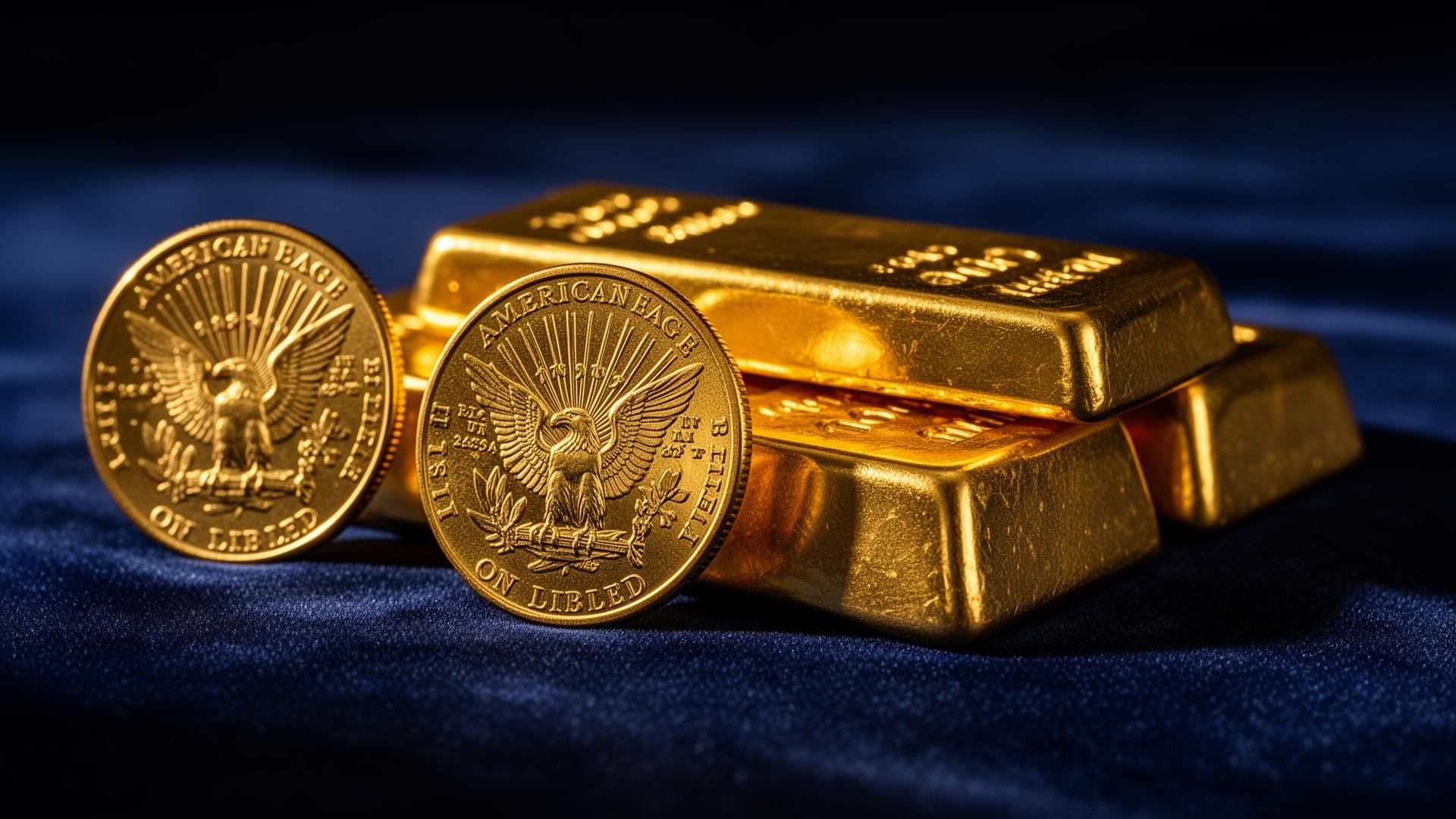
Mexican 50 Peso Gold Coin Value
The Centenario contains 1.2056 troy ounces of pure gold — one of the largest gold coins ever produced.
The Mexican 50 Peso gold coin, known as the Centenario, is one of the largest and most recognizable gold coins ever produced. It holds 1.2056 troy ounces of pure gold, making it worth over $6,000 in metal content alone at current prices. If you have one, here is exactly what it's worth and what to look for.
Gold Content and Melt Value
The coin weighs 41.667 grams total. Of that, 37.5 grams is pure gold. The remaining weight comes from copper, which gives the Centenario its distinctive warm, orange-gold color. At 90% purity (21.6 karat), it's slightly less pure than modern 24-karat bullion coins, but it contains more total gold than a standard one-ounce coin.
How to Identify a Mexican 50 Peso
Obverse (front): The Winged Victory, also called the Angel of Independence. She faces forward, holding a wreath above her head in one hand and a broken chain in the other. "50 Pesos" appears to the left. The date appears at the bottom.
Reverse (back): The Mexican coat of arms. An eagle perched on a cactus holds a snake in its beak. "Estados Unidos Mexicanos" (United Mexican States) is inscribed around the top.
Edge: The edge reads "INDEPENDENCIA Y LIBERTAD" (Independence and Freedom).
Size: 37mm diameter. About the size of a US half dollar but noticeably thicker and heavier.
Original Dates vs. Restrikes
Understanding the date on your Centenario matters for pricing.
1921–1931: Original production years. Mintage ranged from 180,000 (1921) to 716,000 (1925). These are the scarcest dates.
1943–1947: Production restarted to meet gold demand. These coins are genuine Mexican Mint products with their actual production dates.
Post-1949 (dated 1947): The Mexican Mint restruck millions of 50 Peso coins from 1949 through 1972, all carrying the 1947 date. These are by far the most common Centenarios on the market.
Every version contains the same gold. A 1947-dated restrike has the exact same 1.2056 oz of gold as a 1921 original. The difference is collector premium. A nice original 1921 might sell for a meaningful premium above melt. A 1947 restrike trades near its gold value with a small markup.
What Affects the Price
Gold spot price. This is the biggest factor. The Centenario tracks gold closely since its value is driven almost entirely by metal content. A $100 move in gold spot translates to roughly a $120 move in the coin's value.
Condition. Restrikes in brilliant uncirculated condition sell for a small premium over circulated examples. Heavily worn or damaged coins still sell at or near melt value since the gold content is unchanged.
Date and rarity. Original 1920s dates carry premiums. The 1921 (first year, lowest mintage) is the most sought-after. Common restrike dates (1947) trade at minimal premiums.
Dealer premium. Expect to sell a Centenario for 1–3% below spot-based melt value when selling to a dealer. Dealers need margin to resell the coin. This is standard across the industry.
Centenario vs. Other One-Ounce Gold Coins
The Centenario actually contains more gold than most one-ounce bullion coins. A standard Gold Eagle, Krugerrand, or Maple Leaf contains 1.0000 oz (or 0.9999 oz). The Centenario holds 1.2056 oz. That extra fifth of an ounce means the Centenario is worth roughly $1,000 more than a one-ounce coin at today's prices.
Before the Krugerrand launched in 1967, the Centenario was one of very few large gold bullion coins available to investors worldwide. Many older collections include Centenarios purchased during the 1950s and 1960s when they were among the best options for holding physical gold.
Common Questions
Is my 50 Peso coin solid gold?
Yes. The Mexican 50 Peso is 90% gold (21.6 karat). It is not gold-plated or gold-filled. The remaining 10% is copper.
Are fakes common?
Counterfeits exist but are less common than fake American Eagles or Krugerrands. The Centenario's large size and weight (41.667 grams) make it harder to fake convincingly. A simple weight check on a digital scale catches most counterfeits.
Will a dealer pay full melt value?
Most dealers pay 95–99% of melt value for Centenarios. The exact percentage depends on the dealer, current market conditions, and the quantity you're selling.
Get a Free Quote on Your Centenario
Not sure what your coin is worth beyond melt value? US Gold and Coin evaluates centenario for free at every location. No appointment needed. No obligation to sell.
Visit us in Dallas, Austin, Tampa, Fort Worth, Waco, Kansas City, Overland Park, Lawrence, or Honolulu. We also offer nationwide mail-in appraisals with insured shipping.
Related Guides
Every Mexican gold peso from 2 Peso to Gold Onza
Foreign Gold Coin ValuesComplete guide to all foreign gold coin values
Gold Coin ValuesAmerican Gold Eagles, Saint-Gaudens, and pre-1933 US gold
Gold Price CalculatorCalculate melt value by weight and karat
Selling GuideHow to sell coins and precious metals