How to Sell Inherited Coins
Quick Answer
Don't rush, don't clean anything, and get a professional appraisal before selling. Many inherited coins are worth far more than their face value or metal content. A reputable dealer can identify valuable pieces you might otherwise overlook.
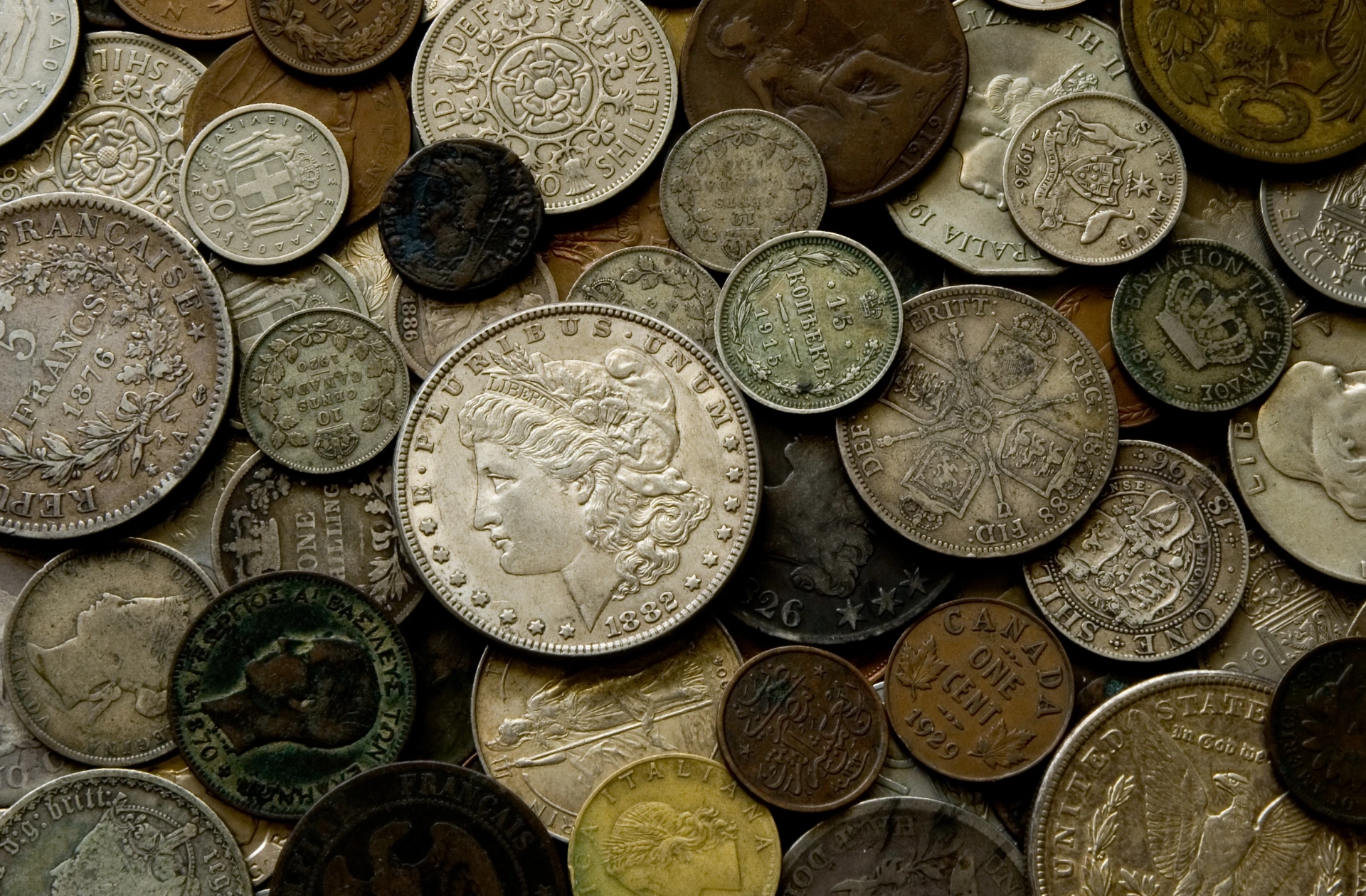
Inheriting a coin collection can be both a blessing and a source of uncertainty. If you're not a collector yourself, you may have little idea what you're looking at or what it's worth. Here's what you need to know to handle inherited coins wisely.
Take Your Time
First and most importantly: don't rush. Unless you're facing immediate financial pressure, there's no reason to sell an inherited collection quickly. Hasty decisions often lead to selling coins for far less than they're worth.
Many coin collections took decades to assemble. The collector who built it likely spent years learning about coins and making careful acquisitions. Take at least a few weeks to understand what you have before making any decisions.
Don't Clean or Polish Anything
This is perhaps the most important advice we can give: never clean inherited coins. What looks like tarnish or dirt to an untrained eye is often natural patina that collectors prize. Cleaning a coin—even gently—can reduce its value by 50% or more.
Handle coins by their edges only, and keep them in whatever holders or cases they came in. If they're loose, place them in soft containers that won't scratch them.
Look for Documentation
Search for any records the original collector may have kept:
- Purchase receipts showing what was paid
- Inventory lists with descriptions
- Grading certificates or documentation
- Insurance appraisals
- Notes about individual coins or their history
This documentation can be invaluable in understanding and selling the collection.
Get a Professional Appraisal
Before selling anything, have the collection evaluated by a professional. A qualified numismatist can identify rare pieces you might overlook and give you a realistic sense of the collection's value.
Be wary of "appraisers" who also want to buy—this creates a conflict of interest. Look for appraisers who charge a flat fee and have no stake in purchasing your coins.
Understanding What You Have
Coin collections typically contain several categories of value:
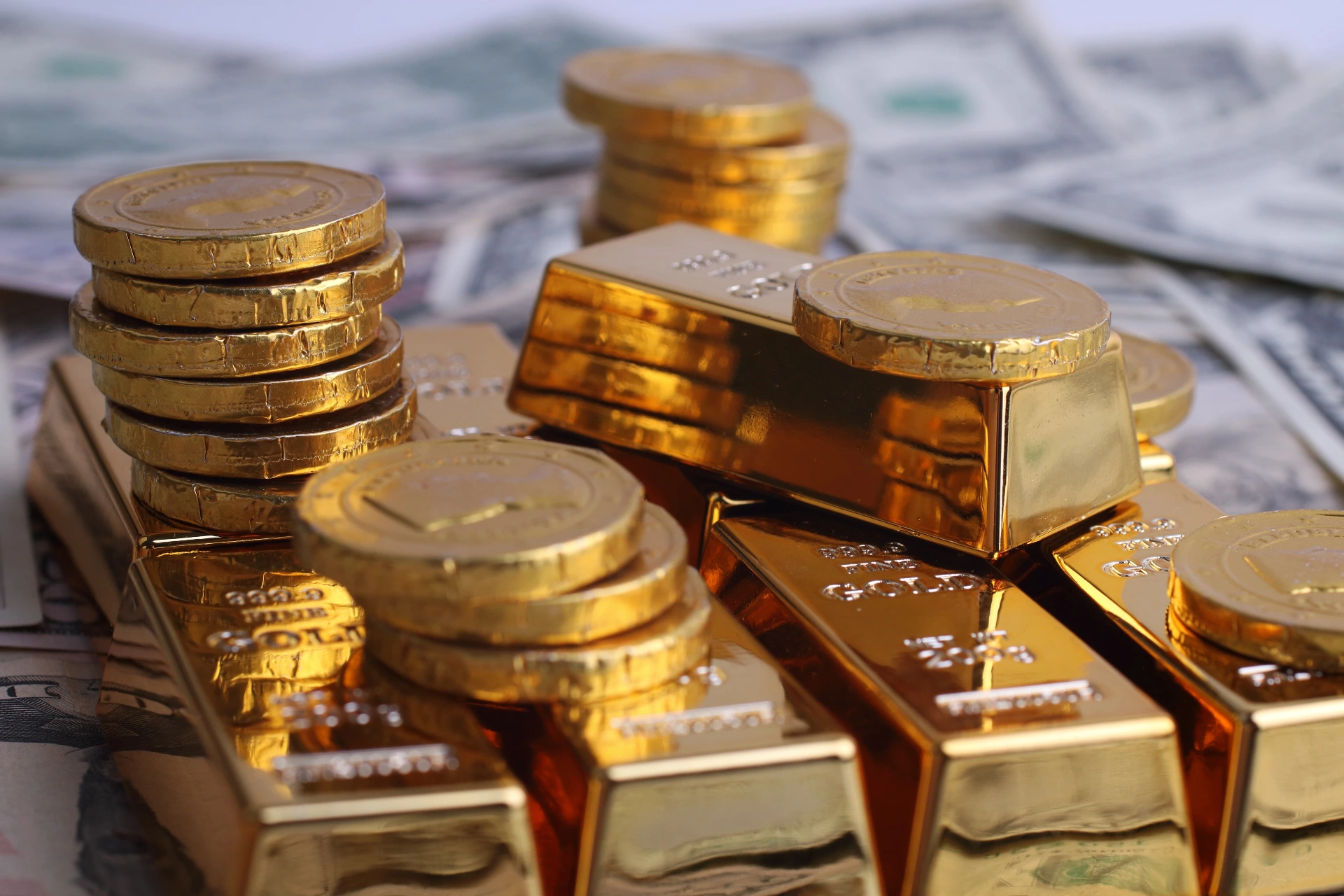
- Bullion value: Gold, silver, and platinum coins have value based on their metal content
- Numismatic value: Rare, old, or historically significant coins may be worth far more than their metal
- Face value: Common coins may only be worth their stated denomination
A good appraiser will help you understand which coins fall into which category.
Selling Options
Once you understand what you have, consider your selling options:
Sell the entire collection: Many buyers will purchase entire collections at once. This is convenient but may result in lower total proceeds than selling valuable pieces individually.
Sell in pieces: Valuable coins may fetch higher prices sold individually through auctions or specialized dealers. Common coins can be sold in bulk to coin shops or metal buyers.
Keep select pieces: If any coins have sentimental value or family history, consider keeping them even if you sell the rest.
Tax Considerations
Inherited property receives a "stepped-up basis" for tax purposes, meaning you're only taxed on gains above the value at the time of inheritance, not the original purchase price. Consult a tax professional to understand your specific situation.
Red Flags to Watch For
When dealing with buyers, be cautious of:
- Pressure to sell immediately
- Offers that seem too good to be true
- Buyers who won't explain their valuation
- Cash-only transactions with no documentation
- Buyers who disparage the collection to lower expectations
Working With US Gold and Coin
At US Gold and Coin, we specialize in helping families navigate inherited collections. Our numismatists take the time to examine every coin, explain what you have, and provide fair market offers with no pressure. We've helped thousands of families turn inherited coins into fair value while respecting the legacy of the original collector.
Contact us for a free, confidential evaluation of your inherited collection.