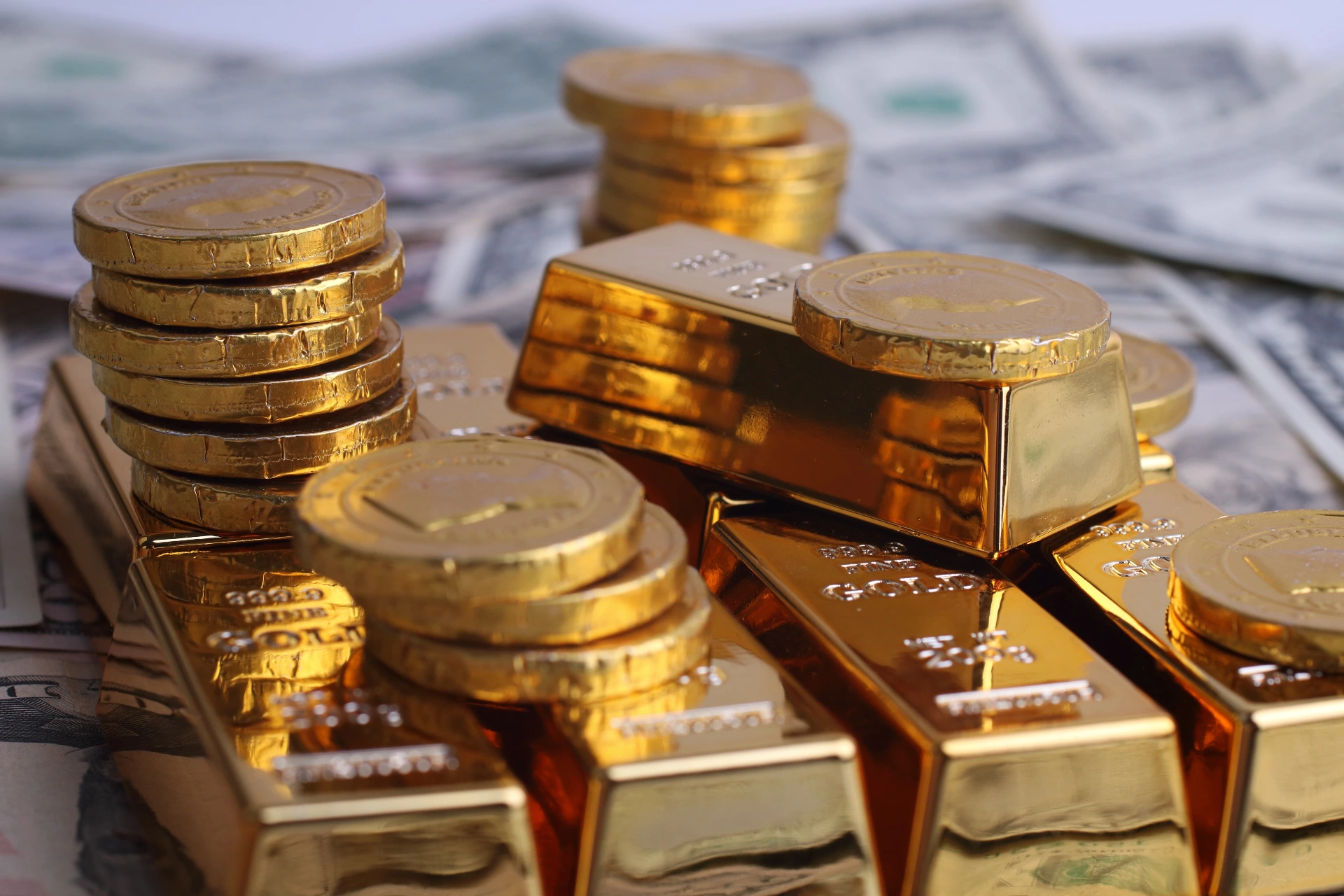
Whether you've inherited a collection from a family member, accumulated coins over decades of collecting, or simply want to capitalize on high gold prices, selling gold coins can be a significant financial decision. The difference between a well-informed seller and an unprepared one can easily amount to thousands of dollars.
This comprehensive guide covers everything you need to know about selling gold coins—from understanding what determines their value to finding reputable buyers and avoiding the common pitfalls that cost sellers money.
Understanding Gold Coins and Their Value
Gold coins derive their value from two distinct sources: their intrinsic metal content and their numismatic (collector) value. Understanding this distinction is fundamental to getting a fair price for your coins.
Intrinsic Value: The Metal Content
Every gold coin has a melt value—the worth of the pure gold it contains. This is calculated by multiplying the coin's gold content (measured in troy ounces) by the current spot price of gold. For example, an American Gold Eagle contains exactly one troy ounce of pure gold. If gold is trading at $2,000 per ounce, the coin's melt value is $2,000.
However, the melt value is typically the floor, not the ceiling, of what your coin is worth. Most gold coins trade at a premium above their melt value, reflecting manufacturing costs, dealer margins, and collector demand.
Numismatic Value: The Collector Premium
Some gold coins are worth significantly more than their metal content due to their rarity, historical significance, or condition. A rare $20 Saint-Gaudens Double Eagle from 1907 in pristine condition might sell for $50,000 or more—despite containing less than one ounce of gold.
Key Insight
Types of Gold Coins You Might Own
Gold coins fall into several categories, each with different value characteristics and market dynamics.
Modern Bullion Coins
These coins are produced by government mints primarily for investment purposes. They trade close to their gold content value plus a small premium.
- American Gold Eagles — The most popular gold bullion coin in the United States, available in 1 oz, 1/2 oz, 1/4 oz, and 1/10 oz sizes.
- Canadian Gold Maple Leafs — Known for their .9999 fine gold purity, among the purest gold coins available.
- South African Krugerrands — The original modern gold bullion coin, first minted in 1967.
- Austrian Gold Philharmonics — Popular in Europe, featuring the Vienna Philharmonic Orchestra.
- Chinese Gold Pandas — Unique for their annually changing designs, which can add collector premiums.
Pre-1933 U.S. Gold Coins
Before 1933, gold coins circulated as regular currency in the United States. These coins often carry significant numismatic premiums based on their date, mintmark, and condition.
- $20 Double Eagles — Liberty Head (1850-1907) and Saint-Gaudens (1907-1933) designs.
- $10 Eagles — Liberty Head and Indian Head varieties.
- $5 Half Eagles — Various designs spanning over a century of American history.
- $2.50 Quarter Eagles — Smaller denomination coins with devoted collector followings.
- Gold Dollars — The smallest U.S. gold denomination, prized by type collectors.
World Gold Coins
International gold coins from various countries and eras can carry both bullion value and numismatic premiums. British Sovereigns, French Roosters, and Swiss Francs are among the most commonly encountered.
Factors That Affect Gold Coin Value
Multiple factors determine what buyers will pay for your gold coins. Understanding these variables helps you set realistic expectations and recognize fair offers.
Current Gold Spot Price
The spot price of gold fluctuates constantly during market hours. It serves as the baseline for all gold coin transactions. When you're ready to sell, check the current spot price on a reputable financial website—this is your starting point for evaluating any offer.
Coin Condition (Grade)
For numismatic coins, condition dramatically affects value. Professional grading services like PCGS and NGC assign grades on a 70-point scale, with higher numbers indicating better preservation. The difference between a coin graded MS-63 and MS-65 can be substantial—sometimes doubling or tripling the value.
A single point difference in grade can mean thousands of dollars in value for rare coins. Professional grading removes subjectivity and provides market confidence.
Rarity and Mintage
How many coins were originally produced, and how many survive today? Low-mintage dates and varieties command higher premiums. Key dates in popular series—like the 1909-S VDB Lincoln cent or the 1916-D Mercury dime—are worth multiples of common dates.
Historical Significance
Coins associated with important historical events or periods often carry premium values. Gold coins from the California Gold Rush era, coins with unique provenance, or pieces that represent important design transitions attract collector interest beyond their metal content.
Where to Sell Gold Coins
Your choice of selling venue significantly impacts the price you'll receive and the convenience of the transaction.
Specialized Coin Dealers
Professional coin dealers who specialize in gold and numismatics typically offer the best combination of fair pricing and expertise. They can accurately identify rare varieties, assess condition, and pay appropriate premiums for numismatic value. Look for dealers with established reputations, industry memberships (PNG, ANA), and transparent pricing practices.
Local Coin Shops
Brick-and-mortar coin shops offer convenience and immediate payment. However, their expertise and pricing vary widely. A shop focused primarily on bullion may not recognize or pay premiums for numismatically significant pieces. Visit multiple shops to compare offers.
Pawn Shops and 'We Buy Gold' Stores
While convenient, these venues typically pay the lowest prices—often 50-70% of actual value. They're designed for quick transactions with sellers who need immediate cash, not for maximizing returns. Avoid unless you have no alternatives.
Warning
Online Buyers
Reputable online coin buyers can offer competitive prices due to lower overhead costs. The process typically involves shipping your coins via insured mail, receiving an evaluation and offer, then accepting payment or having your coins returned. Research the buyer's reputation, insurance policies, and return procedures before sending valuable items.
Auction Houses
For high-value collections or exceptionally rare coins, auction houses like Heritage, Stack's Bowers, or Great Collections can achieve strong prices through competitive bidding. However, they charge significant seller's fees (typically 10-20%), and sales may take months to complete. Best suited for coins worth $1,000 or more individually.
Preparing Your Coins for Sale
Proper preparation helps you get better offers and protects your coins' value during the selling process.
Document What You Have
Create an inventory of your coins before approaching buyers. Note the date, mintmark, denomination, and approximate condition of each piece. For larger collections, photograph groups of coins. This documentation helps you compare offers and prevents disputes.
Never Clean Your Coins
This cannot be emphasized strongly enough: cleaning coins destroys their value. What looks like "shining them up" to an amateur eye creates microscopic scratches and removes original surfaces that collectors prize. Cleaned coins are worth 50-90% less than their uncleaned counterparts. Leave coins exactly as they are.
A dirty coin in its original state is worth far more than a cleaned coin. The patina and toning that develop over decades are part of a coin's history and value.
Keep Coins in Their Holders
If your coins are in PCGS or NGC holders, keep them there. These certifications add value and make selling easier. If coins are in old albums, folders, or original mint packaging, preserve that packaging—it can add historical value and helps protect the coins.
Research Key Pieces
For coins you suspect might be valuable, do preliminary research. Look up recent auction results for similar pieces. This helps you recognize when an offer is significantly below market value and gives you confidence in negotiations.
Avoiding Scams and Getting Fair Prices
Unfortunately, the precious metals market attracts some unscrupulous operators. Protect yourself by recognizing warning signs and following smart selling practices.
Get Multiple Quotes
Never accept the first offer you receive. For any significant collection, obtain at least three quotes from different buyers. Legitimate dealers expect this and won't pressure you to decide immediately. Significant variation between offers suggests someone isn't being fair.
Understand the Spot Price
Know the current gold spot price before any transaction. If a buyer offers significantly below spot for bullion-type coins, walk away. Legitimate buyers might offer 2-5% below spot for bullion; anything more is a red flag.
Watch for Pressure Tactics
"This offer is only good today," "I'm doing you a favor," or "You won't get a better price anywhere"—these are warning signs. Reputable buyers give you time to consider offers and encourage you to compare prices. High-pressure tactics usually mean you're being underpaid.
Verify Credentials
Research any buyer before transacting. Look for membership in professional organizations like the Professional Numismatists Guild (PNG) or American Numismatic Association (ANA). Check online reviews, verify their physical address, and confirm they have appropriate business licenses.
Get Everything in Writing
Ensure you have written documentation of any offer, including an itemized breakdown of how the price was calculated. For mail-in transactions, confirm the buyer's insurance and return policies in writing before sending your coins.
Timing Your Sale
While timing the gold market perfectly is impossible, understanding market dynamics can help you make informed decisions.
Gold Price Trends
Gold prices are influenced by numerous factors: inflation expectations, interest rates, geopolitical tensions, and currency movements. During economic uncertainty, gold typically rises as investors seek safe-haven assets. However, predicting short-term movements is notoriously difficult even for professionals.
Personal Financial Needs
Your personal circumstances often matter more than market timing. If you need the funds, waiting for a hypothetical higher price that may never come isn't practical. Conversely, if you're not in a hurry, selling during periods of strong gold prices makes sense.
Seasonal Patterns
The rare coin market does have some seasonality. Activity typically increases during major coin shows (January FUN show, summer ANA convention) when collectors actively seek new acquisitions. However, these patterns are subtle and shouldn't drive major decisions.
Tax Considerations
Selling gold coins may have tax implications that affect your net proceeds. While we recommend consulting a tax professional for advice specific to your situation, here are general considerations.
Capital Gains Treatment
Gold is classified as a collectible by the IRS, subject to a maximum 28% capital gains rate on profits from sales. Your gain is the difference between your sale price and your cost basis (what you originally paid, plus any costs of acquisition).
Inherited Coins
If you inherited your coins, your cost basis is typically the fair market value at the time of the original owner's death—not what they originally paid. This "stepped-up basis" can significantly reduce or eliminate capital gains taxes on inherited collections.
Reporting Requirements
Dealers are required to report certain transactions to the IRS, particularly sales of large quantities of specific bullion items. Legitimate dealers will explain any reporting requirements that apply to your sale.
Selling gold coins successfully requires knowledge, preparation, and patience. By understanding what you own, researching potential buyers, and following the guidelines in this article, you can maximize your returns while avoiding the pitfalls that cost uninformed sellers money.
Whether you're selling a single coin or a substantial collection, the investment of time in proper preparation pays dividends. Take the time to get multiple quotes, understand your coins' true value, and work with reputable professionals who treat you fairly.